

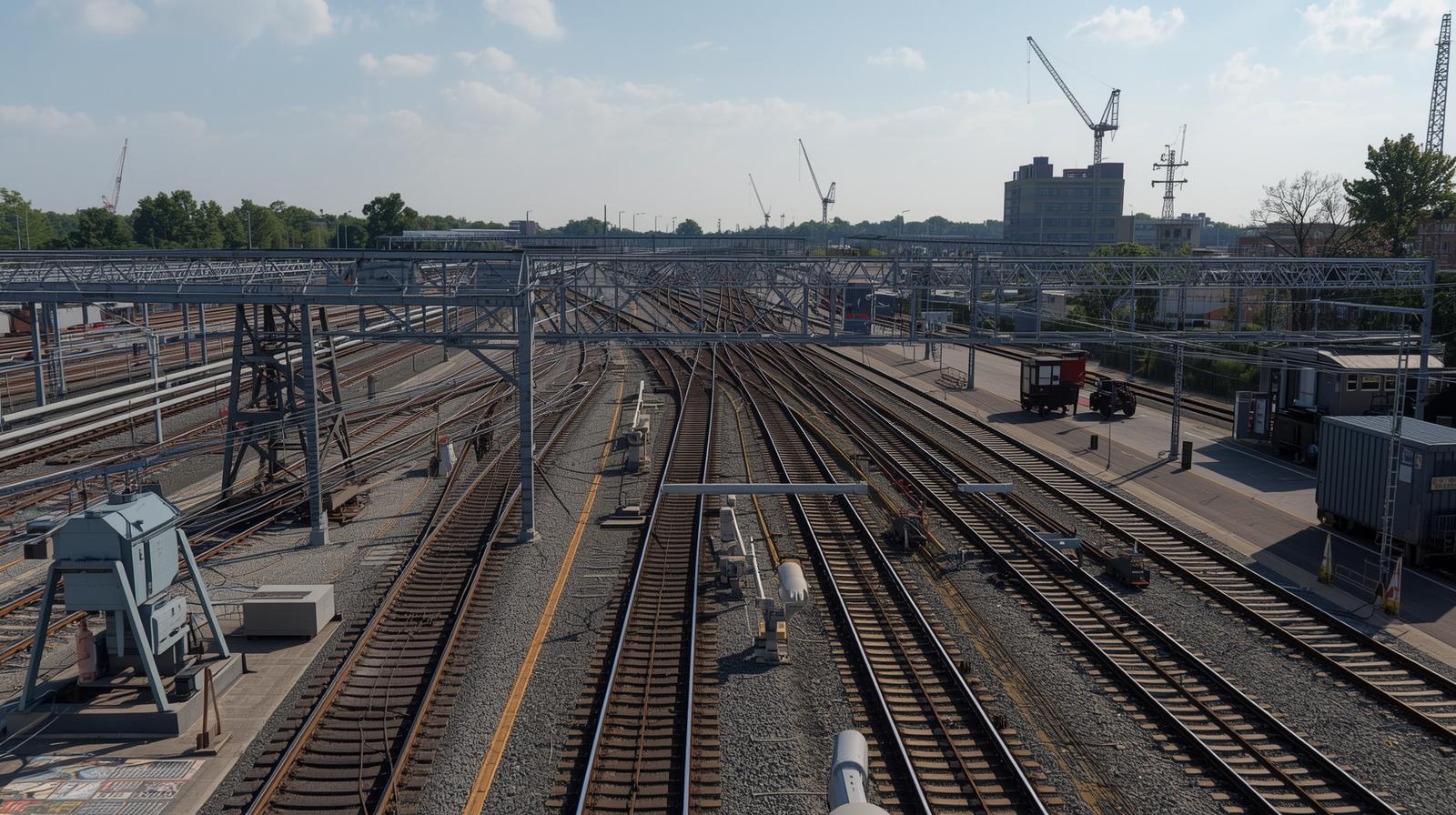
Railways & Rail Systems
Railways and rail systems require maximum durability and uninterrupted operation due to high safety standards, intensive usage, long service life, and varying environmental conditions. In the manufacturing and maintenance processes of vehicles such as trains, metros, and trams, pneumatic and fluid control solutions play a critical role in door systems, auxiliary brake circuits, suspension/comfort equipment, and workshop automation.
Why Reliable Pneumatic and Control Systems?
In rail system applications, equipment is exposed to demanding conditions such as vibration, dust, humidity, temperature changes, and continuous operation. Stable performance of the components used in this environment is of great importance for both passenger safety and operational continuity. The right product selection reduces the risk of failure, improves maintenance intervals, and lowers the total cost of ownership.
- Safety: Stable and predictable performance in critical systems
- Durability: Resistance to harsh environmental conditions and vibration
- Continuity: A long-life solution approach that reduces downtime
- Efficiency: Controlled operation that optimizes energy consumption
Applications
- Door systems: Fast open/close, secure locking, and stable motion control
- Auxiliary brake circuits: Pressure regulation, monitoring, and reliable control
- Workshop and maintenance equipment: Pneumatic hand tools, test systems, and automation infrastructure
- Air preparation: Extended component life with clean and dry air
- Pressure monitoring: Real-time tracking and fast response with sensor and switch solutions
Key Benefits
- Fewer failures: Stable operation with reliable components in harsh conditions
- Lower maintenance cost: Long-life equipment and optimized maintenance intervals
- Higher operational continuity: Reduced unplanned downtime
- Safer transportation: Controllable and reliable performance in critical systems
Conclusion
The right pneumatic and fluid control solutions in railways and rail systems support safety, durability, and efficiency goals at the same time. Application-appropriate product selection and proper system design increase operational continuity, reduce maintenance costs, and contribute to a safer transportation infrastructure.